nickel column affinity chromatography
Advanced Solutions in Anion Chromatography Resin Technology In the intricate world of chemical separation and purification, anion chromatography resin stands as a cornerstone technology. These specialized polymeric materials are engineered to selectively bind and separate negatively charged ions (anions) from complex mixtures, offering unparalleled precision and efficiency across a multitude of industries. From ensuring the purity of vital pharmaceuticals to safeguarding environmental water quality, the demand for high-performance resins continues to grow, driven by increasingly stringent regulatory standards and the pursuit of higher yields and product quality. This comprehensive overview delves into the core aspects of anion chromatography resin, exploring its technical underpinnings, diverse application landscapes, and the critical factors that contribute to its efficacy. We aim to provide B2B decision-makers and technical engineers with an authoritative resource, highlighting not only the scientific principles but also the practical implications for industrial processes, supported by data, industry insights, and real-world applications. Industry Trends and Market Dynamics The market for ion exchange resins, including specific anion chromatography resin products, is experiencing robust growth, propelled by several key global trends. Increasing concerns over water quality, particularly the removal of emerging contaminants and trace pollutants, are driving innovation in water purification resin technologies. According to Grand View Research, the global ion exchange resin market size was valued at USD 1.6 billion in 2022 and is projected to expand at a compound annual growth rate (CAGR) of 4.5% from 2023 to 2030. This growth is significantly influenced by demand from the power generation, chemical processing, and municipal water treatment sectors. Furthermore, the biopharmaceutical sector’s rapid expansion, with its need for highly selective and efficient purification of biomolecules like proteins, antibodies, and nucleic acids, is a major catalyst. Advances in resin chemistry, such as the development of more durable, higher capacity, and more selective resins, are continually broadening the application scope. Miniaturization and automation in analytical and preparative chromatography also contribute to the evolving landscape, pushing manufacturers to develop resins optimized for high-throughput and reproducible separations. The shift towards sustainable manufacturing processes also influences resin development, with a focus on regenerable and long-lasting materials. Manufacturing Process of Anion Chromatography Resins The production of high-performance anion chromatography resin is a sophisticated multi-stage process, demanding meticulous control over chemical reactions and physical properties to ensure consistent quality and optimal separation characteristics. Key Stages in Resin Manufacturing: 1. Polymerization of the Matrix: The foundation of an anion chromatography resin is its polymer matrix, typically made from styrene-divinylbenzene copolymer for robust chemical and mechanical stability. This stage involves suspension polymerization, where monomers (e.g., styrene and divinylbenzene) are suspended in an aqueous phase and initiated to form spherical beads. The ratio of divinylbenzene determines the degree of cross-linking, which in turn influences the resin’s porosity, mechanical strength, and swelling characteristics. Careful control of temperature, stirring speed, and initiator concentration is crucial to achieve the desired bead size and uniformity. 2. Functionalization (Amination): Following polymerization, the polymer beads undergo a chemical modification process called functionalization. For anion exchange resins, this typically involves chloromethylation of the aromatic rings in the polystyrene matrix, followed by amination. Quaternary ammonium groups are introduced for strong base anion (SBA) resins, offering high selectivity and operation across a wide pH range. Tertiary, secondary, or primary amine groups are introduced for weak base anion (WBA) resins, which are effective in acidic to neutral pH conditions and can be regenerated with weaker reagents. The choice of functional group dictates the resin's ion exchange capacity and selectivity. 3. Particle Sizing and Sieving: To ensure optimal flow characteristics, resolution, and reproducibility in chromatography columns, the resin beads are precisely sized. This involves mechanical sieving and hydraulic classification to obtain a narrow particle size distribution. Uniformity in particle size is critical for achieving low back pressure and efficient separation. 4. Washing, Conversion, and Quality Control: The functionalized beads are thoroughly washed to remove unreacted reagents, byproducts, and impurities. They are then converted to their desired ionic form (e.g., chloride, hydroxide, acetate) through contact with appropriate salt solutions. Rigorous quality control measures are implemented at every stage. This includes testing for ion exchange capacity, moisture content, particle size distribution, osmotic shock resistance, and chemical stability. Compliance with international testing standards like ISO 9001 and ANSI ensures product reliability and performance. 5. Drying and Packaging: Finally, the resins are dried to a specific moisture content and packaged under controlled conditions to maintain their integrity and performance during storage and transport. The service life of these resins, when properly handled and regenerated, can extend for several years, offering significant energy saving and corrosion resistance benefits within the systems they operate, by preventing fouling and scale formation. Target industries benefiting from these processes include petrochemical, metallurgy, and water supply & drainage, where the removal of specific anions is critical for process efficiency and product quality. Technical Specifications and Parameters Understanding the technical specifications of anion chromatography resin is paramount for selecting the optimal product for a given application. Key parameters dictate performance, selectivity, and operational stability. Key Properties of Anion Chromatography Resins Parameter Description Typical Range / Value Matrix Material The base polymer structure, usually polystyrene-divinylbenzene or polyacrylate. Determines chemical resistance and mechanical strength. Polystyrene-DVB, Polyacrylic Functional Group The active chemical group responsible for ion exchange. Strong base (Type I/II quaternary amine) or weak base (tertiary/secondary amine). Quaternary Ammonium, Tertiary Amine Particle Size Diameter of the resin beads. Smaller particles offer better resolution but higher backpressure. 5-100 µm (chromatography grades) Total Exchange Capacity The total number of exchangeable sites per unit weight or volume of resin. Measures binding capacity. 0.8-1.5 eq/L (SBA), 1.5-3.0 eq/L (WBA) Operating pH Range The pH range over which the resin maintains its stability and functionality. 0-14 (SBA), 0-9 (WBA) Max Operating Temperature The highest temperature the resin can withstand without degradation. 60-120°C (depending on type) Pore Structure Gel (microporous) or macroporous. Affects diffusion kinetics and accessibility for larger molecules. Gel, Macroporous Macroporous Adsorption Resin AB-8: A Versatile Solution for Pre-treatment and Adsorption While the primary focus is on anion chromatography resin, it is crucial to recognize the role of complementary technologies such as macroporous adsorption resin in enhancing overall separation processes. Our Macroporous Adsorption Resin AB-8, available at www.lijiresin.com/macroporous-adsorption-resin-ab-8.html , exemplifies a high-performance material widely used for the adsorption and purification of various organic substances. It often serves as an excellent pre-treatment step for samples prior to ion exchange chromatography, removing bulk impurities or specific interferences that could foul or reduce the efficiency of the anion exchange column. Its unique macroporous structure and high surface area make it exceptionally effective for decolorization, removal of hydrophobic compounds, and enrichment of target molecules in complex matrices. Parameter Macroporous Adsorption Resin AB-8 Specification Product Name Macroporous Adsorption Resin AB-8 Matrix Structure Styrene-Divinylbenzene Copolymer Appearance White to Light Yellow Opaque Spherical Beads Ion Exchange Capacity (mmol/g) Not applicable (adsorption resin, not ion exchange) Particle Size (mm) 0.315-1.25 Specific Surface Area (m²/g) 450-550 Average Pore Diameter (Å) 100-150 Pore Volume (ml/g) 1.0-1.3 Operating pH Range 1-14 Max Operating Temperature (°C) 120 Applications Extraction, purification, decolorization of organic compounds, pre-treatment for ion exchange systems. Application Scenarios and Target Industries The versatility of anion chromatography resin makes it indispensable across a broad spectrum of industries, playing a pivotal role in analytical, preparative, and purification processes. Water Purification and Environmental Remediation: In the municipal and industrial water purification resin sector, anion exchange resins are critical for removing nitrates, sulfates, fluorides, perchlorates, and other harmful anions from drinking water and wastewater streams. Their high selectivity ensures that harmful contaminants are efficiently captured, contributing to cleaner effluent and safer potable water. This directly impacts the water supply & drainage industry, addressing both regulatory compliance and public health. Biopharmaceutical Purification: The purification of complex biomolecules such as proteins, antibodies, and nucleic acids is a primary application. Anion exchange resins enable the separation of target biomolecules from host cell proteins, DNA, and other impurities based on charge differences, which is crucial for drug discovery, development, and manufacturing. The ability to achieve high purity levels is vital for therapeutic efficacy and patient safety. Food and Beverage Processing: These resins are used for decolorization, demineralization, and acid removal in various food products, including fruit juices, sweeteners, and alcoholic beverages. They help enhance product quality, stability, and shelf-life, for example, by removing organic acids that can cause spoilage or undesirable flavors. Chemical and Petrochemical Industries: In these industries, anion exchange resins are utilized for catalyst recovery, removal of acid catalysts, purification of organic chemicals, and demineralization of process streams. They help improve reaction yields, protect equipment from corrosion, and ensure product specifications are met. Metallurgy and Metal Finishing: Anion exchange resins are employed for the recovery of precious metals from rinse waters and leachates, as well as for the removal of undesirable anions like sulfates and chlorides from plating baths. This not only offers economic benefits through metal recovery but also helps manage environmental discharge. Technical Advantages of Advanced Anion Chromatography Resins Modern anion chromatography resin offers significant technical advantages that translate directly into operational efficiencies and improved product quality for industrial applications. Enhanced Selectivity and Resolution: Advanced resins are designed with specific functional groups and pore structures that allow for highly selective binding of target anions, even in the presence of similar interfering species. This leads to cleaner separations, higher purity of the desired product, and reduced downstream processing. For example, some resins are engineered to specifically target and remove trace levels of arsenic or chromium from water, a task that traditional methods struggle with. High Binding Capacity: Resins with optimized surface area and functional group density exhibit higher dynamic and static binding capacities. This translates to processing larger volumes of feed stream or higher concentrations of target analytes with smaller column volumes, thereby leading to increased throughput and overall energy saving in industrial operations. High capacity also extends the operational cycle between regenerations, reducing chemical consumption and waste generation. Exceptional Chemical and Mechanical Stability: Robust polymer matrices and well-anchored functional groups ensure the resins withstand harsh chemical environments (wide pH ranges, oxidizing agents) and mechanical stresses (high flow rates, osmotic shock) commonly encountered in industrial settings. This durability results in a longer service life, reducing the frequency of resin replacement and minimizing operational downtime. This intrinsic durability also contributes to the corrosion resistance of the overall system by maintaining process integrity and preventing unwanted chemical interactions. Cost-Effectiveness and Extended Service Life: The combination of high capacity, enhanced selectivity, and superior stability leads to significant cost savings. Reduced consumption of regeneration chemicals, lower waste disposal costs, decreased labor for changeouts, and sustained performance over extended periods contribute to a lower total cost of ownership. Many high-quality resins meet FDA and ISO standards, ensuring compliance and reliability for critical applications. Vendor Comparison and Selection Criteria Choosing the right vendor for anion chromatography resin is as crucial as selecting the resin itself. A reliable partner offers more than just products; they provide expertise, support, and solutions tailored to specific challenges. When evaluating potential suppliers, B2B decision-makers should consider several critical factors. Feature Standard Suppliers Specialized Suppliers (e.g., LiJi Resin) Product Range & Specialization Basic range, often general-purpose resins. Limited options for highly specific applications. Extensive portfolio including specialized resins for various applications (e.g., highly selective resins, macroporous options like AB-8). Quality Certifications May meet basic industry standards; less emphasis on comprehensive certifications. Adherence to international standards (e.g., ISO 9001, often with FDA-compliant materials where applicable). Backed by rigorous internal QC. Technical Support & Expertise Standard support, often generic advice. Limited R&D backing for complex issues. Dedicated technical specialists, R&D-driven solutions, application-specific guidance, troubleshooting. Years of service in the field. Customization Capabilities Generally no or very limited customization for unique needs. Full capability for developing bespoke resin solutions or modifying existing products to meet specific client requirements. Reliability & Lead Time Variable lead times, less consistency in supply chain. Optimized production and logistics ensure reliable supply and transparent, competitive lead times. Working with a specialized vendor often means gaining access to deeper technical knowledge, comprehensive support, and tailored solutions that generic suppliers cannot provide. Look for partners with a proven track record, evidenced by long-standing relationships with key clients and a strong commitment to R&D. Customized Solutions and R&D Focus The complex and often unique challenges faced by industries today necessitate highly specialized separation media. A truly professional resin supplier recognizes that off-the-shelf solutions may not always be sufficient. Our commitment to customized solutions and a strong R&D focus allows us to develop and deliver bespoke anion chromatography resin products engineered to precise specifications. Our R&D team works closely with clients, leveraging decades of collective experience and state-of-the-art analytical capabilities, to modify resin matrix structures, functional group chemistries, particle sizes, and pore architectures. This collaborative approach ensures that the resulting resin offers optimal selectivity, capacity, and regeneration characteristics for even the most demanding applications. This might involve tailoring a macroporous adsorption resin like AB-8 for a specific impurity removal, or designing a novel anion exchange resin for challenging biomolecule separations. Our success is built on a foundation of trust, expertise, and a deep understanding of our clients' operational requirements, translating into partnerships that span many years and numerous successful projects. Our certifications, including ISO 9001:2015, underscore our unwavering commitment to quality and continuous improvement. Application Case Studies Case Study 1: High-Purity Water Treatment in Electronics Manufacturing A leading semiconductor manufacturer faced persistent challenges in achieving ultra-pure water quality for wafer rinsing, specifically in reducing trace levels of sulfates and silicates to below 1 ppb. Conventional mixed-bed ion exchange systems were struggling to meet these increasingly stringent specifications. Our technical team deployed a specialized strong base anion chromatography resin with a highly uniform particle size distribution as a polishing step. The resin's enhanced kinetic performance and superior selectivity for challenging anions led to a dramatic improvement in water quality, consistently achieving target impurity levels. This resulted in a significant reduction in product defects, an estimated 15% increase in production yield, and extended maintenance cycles for the purification system due to the resin's robust nature, ultimately lowering operational costs by 10% annually. Case Study 2: Purification of Therapeutic Peptides in Biopharma A biopharmaceutical client developing a novel therapeutic peptide required a highly efficient and scalable purification method to separate the target peptide from related impurities, including process-related anionic contaminants and truncated peptide variants. Using a proprietary macroporous, strong base anion exchange resin, we developed a multi-step chromatography process. The resin's optimized pore structure and functional group density allowed for high-resolution separation of the peptide, achieving >98% purity in a single chromatographic step. The high binding capacity of the resin meant larger batches could be processed more efficiently, cutting down processing time by 30% and significantly reducing the consumption of buffers, leading to a 20% reduction in overall purification costs. This solution demonstrated superior performance compared to previous methods, which required multiple, less efficient purification stages. Case Study 3: Decolorization of Pharmaceutical Intermediates using Macroporous Adsorption Resin AB-8 In the synthesis of a critical pharmaceutical intermediate, a pharmaceutical company encountered significant challenges with persistent color impurities that impacted downstream processing and final product quality. Traditional activated carbon methods proved inefficient and led to product loss. Our solution involved implementing Macroporous Adsorption Resin AB-8 in a column setup for the decolorization step. Its high specific surface area and optimized pore structure effectively adsorbed the complex organic colorants, significantly improving the clarity of the intermediate. This led to a >95% reduction in color, simplified downstream crystallization, and reduced solvent usage. The regenerable nature of AB-8 provided a sustainable and cost-effective alternative, cutting operational costs by approximately 25% compared to disposable media, while maintaining the integrity and yield of the target intermediate. This case highlights how a specialized macroporous adsorption resin can complement ion exchange processes by efficiently handling non-ionic or weakly ionic impurities that might otherwise compromise the performance of anion exchange columns. Commitment to Trust and Support At the core of our operations is an unwavering commitment to fostering trust and providing unparalleled support to our clients. We understand that the decision to integrate advanced resin technologies is a significant investment, and we strive to ensure a seamless experience from consultation to post-implementation support. Frequently Asked Questions (FAQ) Q: What is the typical service life of anion chromatography resin? A: The service life typically ranges from 3 to 10 years, depending on the application, feed water quality, regeneration frequency, and proper handling. Our robust resins are designed for extended durability under various industrial conditions, contributing to significant energy saving through reduced replacements. Q: How do I select the right anion chromatography resin for my specific application? A: Selection depends on several factors: the target anions, their concentration, pH of the solution, temperature, flow rate, and desired purity. Our technical team offers expert consultation, leveraging extensive experience to guide you through resin selection, pilot testing, and system design to ensure optimal performance. Q: What are the regeneration requirements for anion exchange resins? A: Strong base anion resins are typically regenerated with strong alkalis (e.g., NaOH), while weak base anion resins can be regenerated with weaker alkalis (e.g., Na2CO3) or even ammonia. Proper regeneration procedures are critical for maintaining resin capacity and longevity. We provide detailed regeneration protocols and support. Q: Are your resins compliant with industry standards? A: Yes, our manufacturing processes adhere to stringent quality management systems, including ISO 9001:2015. Many of our resins for sensitive applications (e.g., food & beverage, pharmaceuticals) also meet specific FDA guidelines for materials in contact with consumables. Lead Time and Fulfillment We understand the importance of timely delivery in maintaining your operational schedules. Our optimized production and logistics networks ensure competitive lead times for both standard and customized resin orders. Typical lead times for standard products range from 2-4 weeks, with expedited options available for urgent requirements. We work closely with clients to plan and coordinate shipments, ensuring reliable and efficient fulfillment. Warranty and After-Sales Support All our resins come with a comprehensive warranty against manufacturing defects, reflecting our confidence in product quality and reliability. Beyond the initial purchase, our dedicated after-sales support team is readily available to assist with installation, optimization, troubleshooting, and ongoing technical inquiries. We are committed to ensuring the long-term success of your operations, providing peace of mind through continuous support and expert guidance. Authoritative References Grand View Research. (2023). Ion Exchange Resins Market Size, Share & Trends Analysis Report By Type, By Application, By End-use, By Region, And Segment Forecasts, 2023 - 2030. Skoog, D. A., Holler, F. J., & Crouch, S. R. (2017). Principles of Instrumental Analysis. Cengage Learning. (Relevant for chromatography fundamentals) Crittenden, J. C., Hand, D. W., Howe, K. J., & Tchobanoglous, G. (2012). Water Treatment Principles and Design. John Wiley & Sons. (Relevant for water purification resin applications) Purolite Corporation. (Various publications). Technical Guides for Ion Exchange Resins. (Industry-specific technical data)
-
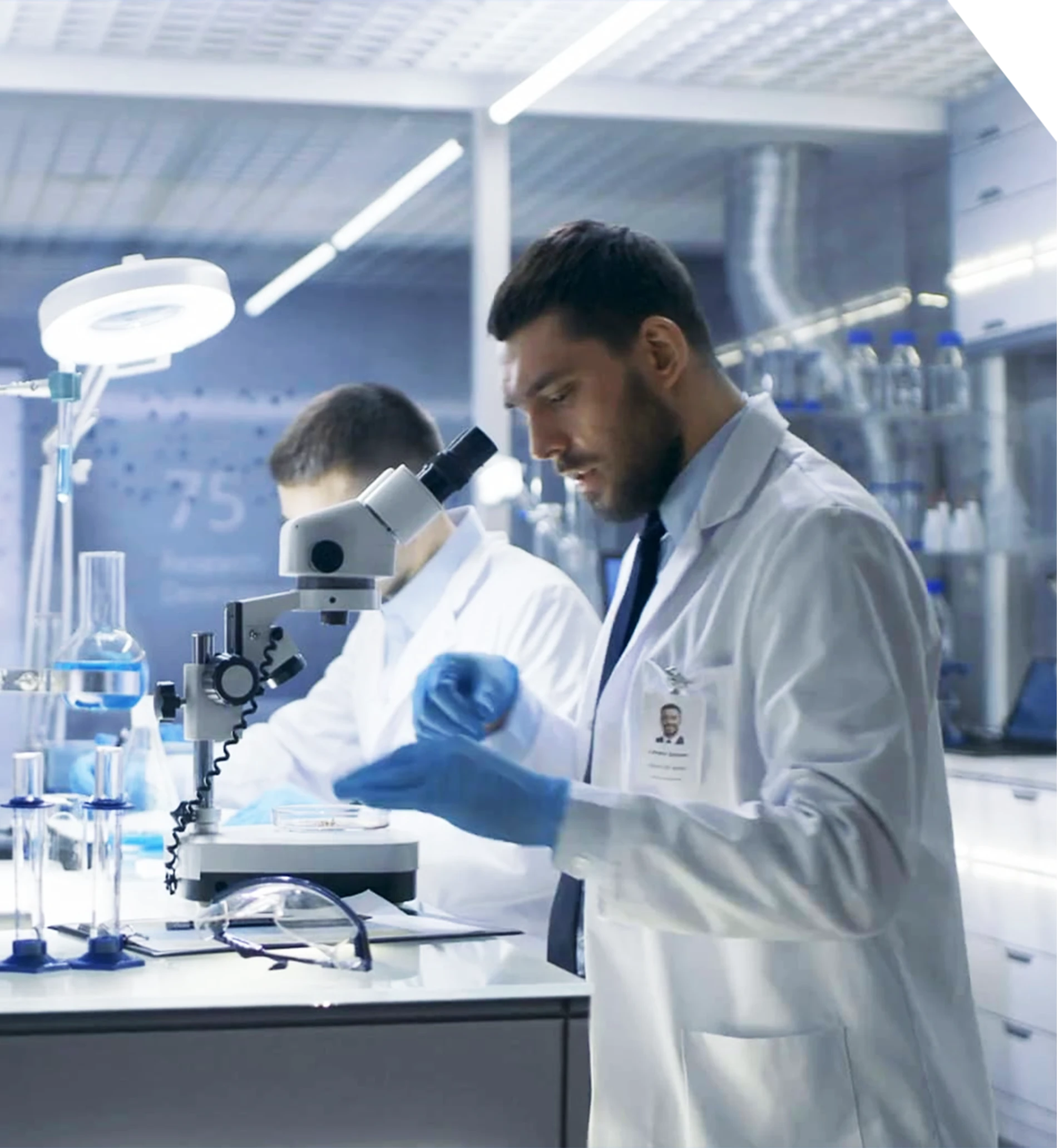
 Strong R & D Capability And Experienced Technical Team
-
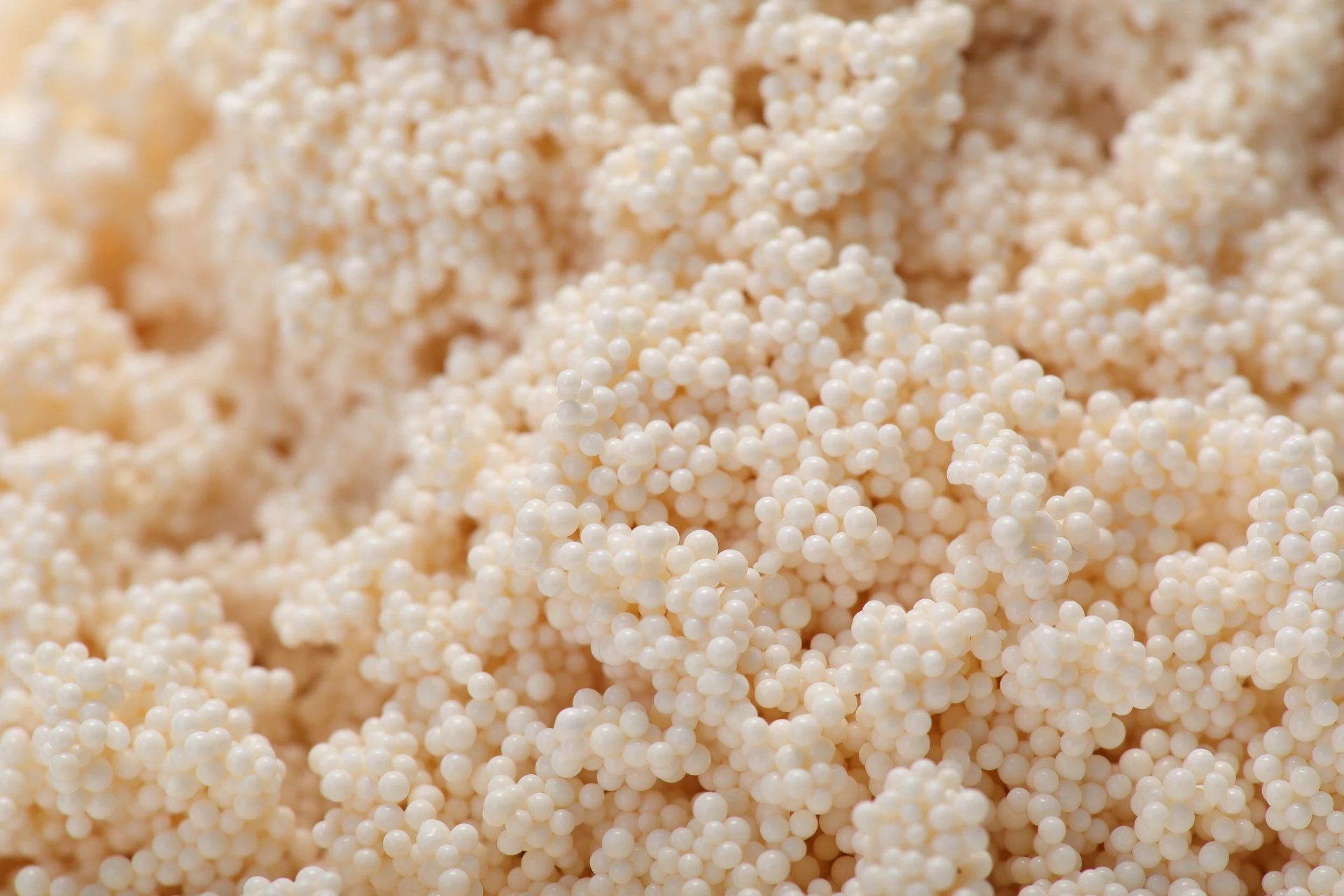
Provide Customers With Competitive And Differentiated Products